10 caratteristiche che aumentano il valore all'ingrosso di una custodia per il trucco portatile
Risposta rapida
A portable makeup case earns wholesale value when its layout, materials, carrying method and finish suit the end customer and the sales channel. More features do not automatically mean better resale value. Distributors should prioritize usable compartments, manageable size, dependable hardware, clear product specifications and viable branding options, then check those details on a sample. SUNCASE lists several makeup train cases with different tray, lock and carry configurations; confirm the exact SKU, MOQ and customization scope for each order.
Why Is Wholesale Value More Than the Number of Features?
For a distributor, a feature has value only if customers notice it, use it and accept its price. Extra trays can help one makeup artist sort tools, while the same trays may make a compact travel makeup case bulkier than a retail customer wants. A reinforced corner may support confidence in handling, but it does not replace suitable packaging or prove a tested drop rating.
The useful question is therefore not “How many features can we add?” It is “Which features solve a buyer problem without raising landed cost, returns or inventory complexity?” Use the ten points below to compare products, then match each one to a channel and a sample inspection.
Which Compartment Layouts Fit More Product Categories?
Modular compartments can help a makeup organizer case serve customers who carry different combinations of brushes, palettes, bottles and small tools. Removable or adjustable dividers may make the same case useful for more than one assortment, but only if they stay in place and do not waste too much usable space.
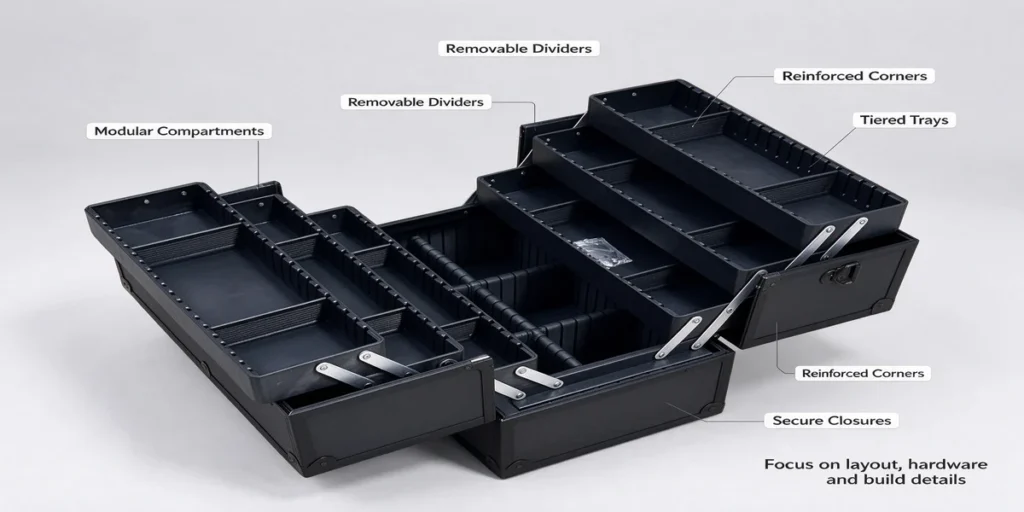
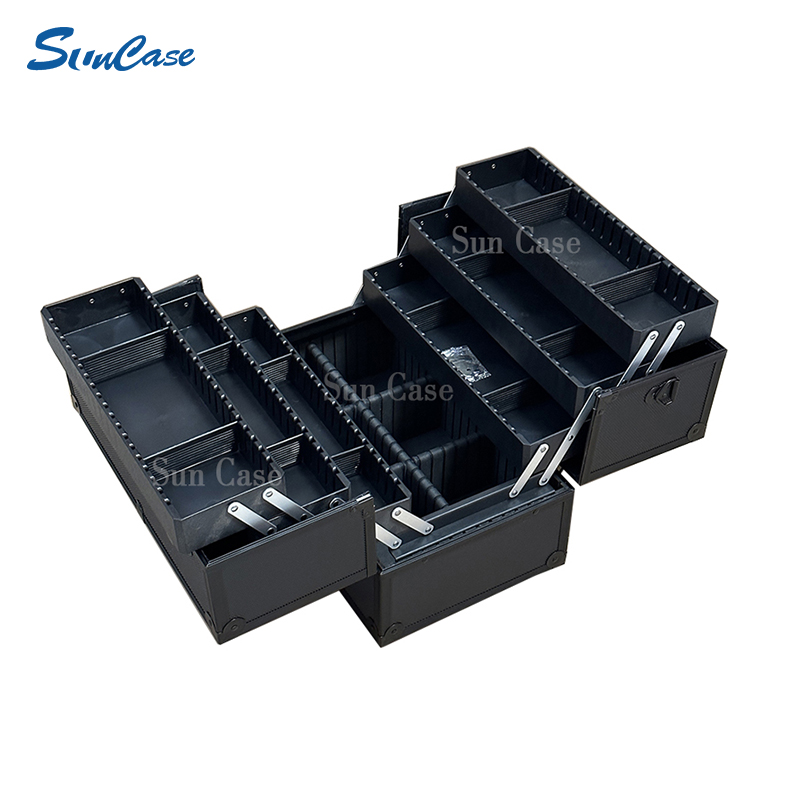
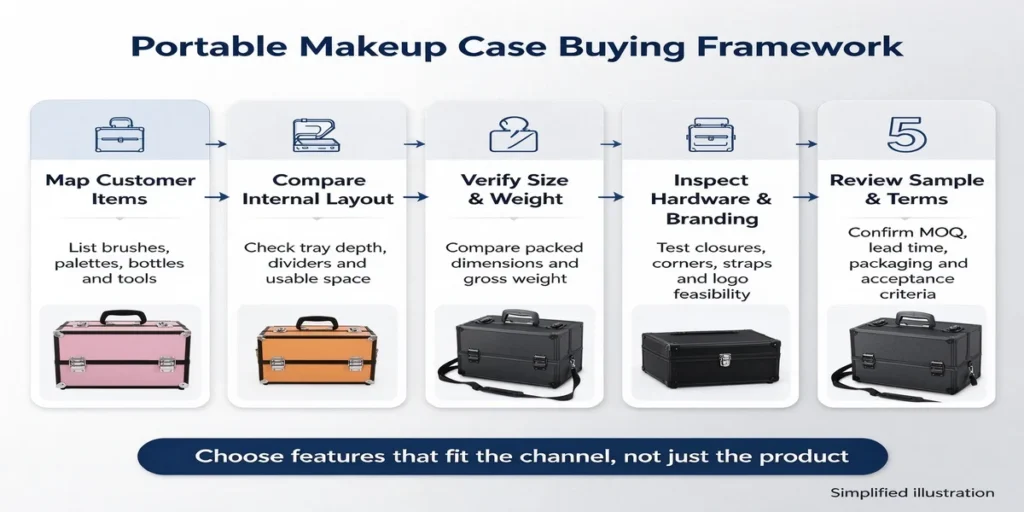
Before choosing a layout, list the items your target customer carries and measure the largest and smallest pieces. Check internal dimensions rather than relying on the case’s outside size. Confirm whether dividers are removable, fixed or included only in certain versions. SUNCASE’s six-tier makeup train case with compartments presents a tiered organization format; review tray depth and usable space against your product mix before treating it as a fit.
Can Lightweight Construction Reduce the Landed Cost?
Weight affects handling and freight calculations, but “lightweight” should not be judged by feel alone. A thinner panel or smaller frame may reduce shipping weight while making the case less suitable for repeated travel. Ask for the packed dimensions and gross weight of the exact configuration, then compare freight quotations on the same basis.
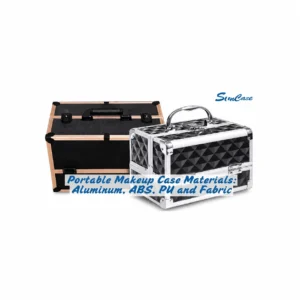
A hard shell makeup case can use different combinations of frame, panels, lining and hardware. The supplier should identify those materials for the SKU rather than relying on a broad label such as “aluminum case.” SUNCASE’s product pages show mixed constructions on some models, including aluminum frame, MDF board and ABS or other panels. Request a current specification and sample if weight is central to your margin calculation.
Do Reinforced Corners Help Reduce Retail Returns?
Corners often take the first contact during handling, so corner guards and secure joins are useful details to inspect. They may help limit scuffs or deformation in routine use, but a feature description alone does not establish an impact rating or guarantee fewer returns.
Look for even fit, secure attachment and sharp edges that are properly covered. Check how the corners meet the frame and panels, and review the retail packaging for protection during the expected shipping route. If drop performance is important to a sales claim, request a test method and evidence for that model instead of inferring performance from reinforced corners.
Which Interior Materials Are Easier to Clean?
Cosmetics can spill, and makeup brushes may leave powder or residue. A smooth, accessible lining can make routine cleaning easier than a heavily textured or hard-to-reach interior. Yet material names vary: PU, EVA, fabric and plastic surfaces have different cleaning limits and should not be presented as interchangeable.
Ask for the specific interior material and care guidance. On the sample, check seams, corners, tray edges and pockets where residue might collect. Test cleaning only with the method the supplier says is suitable; harsh solvents may damage coatings or adhesives. Clear care instructions also help retailers answer customer questions and reduce avoidable complaints.
What Closure Features Suit Travel and Professional Use?
Locks, latches and zippers address different needs. A lock may be useful for organizing tools during work or storage, while a zipper may suit a soft travel makeup case. Neither feature should be presented as theft-proof or travel-security certified without supporting evidence.
Open and close the case repeatedly during sample inspection. Check alignment, smooth operation, loose hardware and whether the closure still works when trays are loaded as intended. For a shoulder-carried model, test the strap attachment and balance with a realistic load. SUNCASE lists a portable aluminum makeup case with locks and shoulder straps; confirm the strap and lock details on the selected unit before using them as selling points.

Which Sizes and Packaging Work for Retail Shelves?
Retail buyers need a product that is easy to display, explain and replenish. A compact format may fit a shelf better, while a larger professional makeup case may need more display space and a clear explanation of its intended use. Packaging dimensions, barcode placement, product images and language requirements can affect readiness for a specific retailer.
Request the packed dimensions and carton information for the order, and verify any labeling, barcode or insert requirements before mass production. Do not assume a product is shelf-ready because it arrives in a box. For online retail, useful images and accurate external and internal measurements can also reduce buyer uncertainty before checkout.
Are Stackable Designs Useful for Warehouse Storage?
Stackability can improve storage efficiency if the cases remain stable and the packaging can support the intended arrangement. A domed lid, protruding handle or delicate mirror can make stacking impractical even when the case body looks flat.
Check the actual case and carton, including handles, feet and other protrusions. Agree on the storage and stacking conditions with the supplier, and request relevant load information if cartons will be stacked high. Without a stated test or rating, describe stackability only as a design observation, not a load-bearing claim.
Can Replaceable Components Extend Product Life?
Replaceable straps, keys, handles, wheels or trays may make maintenance easier, but availability and compatibility should be confirmed. A component that is theoretically replaceable is not useful to a distributor if it cannot be reordered or fitted to the specific model.
Ask which parts can be supplied separately, how they are identified and whether the supplier can confirm compatibility with the SKU and revision. Clarify pricing, minimum quantities and availability for spare parts as part of the commercial discussion. Do not promise long-term parts support unless it is agreed for the order.
How Do Branding Options Support Private-Label Sales?
Branding can help a distributor differentiate a makeup case wholesale assortment, but the method must suit the panel material, order quantity and desired finish. SUNCASE product pages list options on certain case models such as printed or metal logos. Availability depends on the exact construction and order, so ask for artwork requirements, placement, color limits, setup charges and approval steps.
For custom makeup case projects, the site describes an OEM/ODM path that can begin with a drawing, sample or functional brief and includes sample feedback before production. Share your target dimensions, interior layout, preferred materials and brand files, then confirm feasibility and terms. Approve a marked-up proof or production sample before authorizing bulk work.
Which Colors and Finishes Match Different Customer Segments?
Color can help retailers organize product tiers or appeal to distinct audiences, but adding multiple variants can divide inventory and complicate replenishment. Start with the colors your channel can support. Then confirm which colors are standard for the selected model and which require a custom order or different MOQ.
Review physical samples under consistent lighting because screens can distort color. Check how the finish looks at corners and edges, where wear may be most visible. Keep color names, approved samples and any acceptable variation in the order record to reduce disagreement later.
How Should Distributors Prioritize Features by Sales Channel?
Different channels reward different combinations. Online retail benefits from clear dimensions, useful photos and easy-to-understand layouts. Beauty supply distributors may value repeatable configurations, private-label options and consistent carton information. Professional makeup artists may prioritize access, organization and a comfortable carrying method. Travel customers often care about size and weight.
Choose a short list of core SKUs for each channel rather than asking one model to serve everyone. Compare sales-channel needs with available specifications, then request quotations on the same configuration. SUNCASE’s portable makeup case for artists with locks is one listed option to compare for an organized professional kit; verify dimensions, interior arrangement and order details before adding it to a range.
How Can Buyers Evaluate These Features During Sample Inspection?
Use a sample checklist tied to the written specification. Measure the case, inspect panels and corners, load the intended products, open and close the closures, test the trays and straps, and compare the color and logo placement with the approved artwork. Record any changes so the production version can be checked against the same reference.
Sample review helps buyers assess that sample; it does not prove every unit will be identical or establish untested performance. Agree on any pre-shipment inspection scope, defect categories, acceptance criteria and documentation before production. This reduces ambiguity when a shipment arrives and gives both sides a shared basis for resolving issues.
For a practical quote request, send the supplier the intended contents and measurements, target channel, order quantity, preferred layout, branding files, destination and required packaging details. Ask for SKU-specific MOQ, sample charges, lead time and freight information. That makes it easier to compare wholesale makeup cases on total cost and fit, not just headline unit price.
FAQ:
1. What is the difference between a makeup train case and a portable vanity case?
UN valigia per il trucco usually emphasizes organized storage and transport, often with trays or compartments. “Portable vanity case” may describe a case with a mirror or workstation features. Product names vary, so compare dimensions and listed components.
2. Which features matter most in a makeup case with compartments?
Start with usable space, divider flexibility, tray access and whether the intended products stay organized when the case moves. More compartments are useful only when their sizes match the assortment.
3. How do I compare makeup case suppliers?
Compare the same SKU and configuration: materials, dimensions, included accessories, MOQ, sample terms, branding, packaging, lead time and shipping terms. Request evidence for any performance claim that affects your market.
4. Can a supplier customize a makeup case for my brand?
Ask whether the selected model supports the logo, color, dimensions or layout you need. Confirm feasibility, MOQ, sample approval, tooling or artwork charges, and ownership terms in writing.
Choose Features That Fit Your Buyers
The wholesale value of a portable makeup case comes from how well it fits the products, channel and price point—not from a long feature list. Prioritize usable organization, practical handling, a finish your customers want and specifications you can verify. SUNCASE lists portable cases across several formats and describes OEM/ODM project support; share your target assortment and order requirements to review suitable models and confirm the exact terms.